A showing off area looks safe till it is not. One incorrect step, an undetected cardiac problem, a head knock that appears minor, and unexpectedly instructors, parents, and teammates are the initial and just responders. In those first 3 mins, what individuals do, or stop working to do, matters much more than what any type of rescue can offer later.
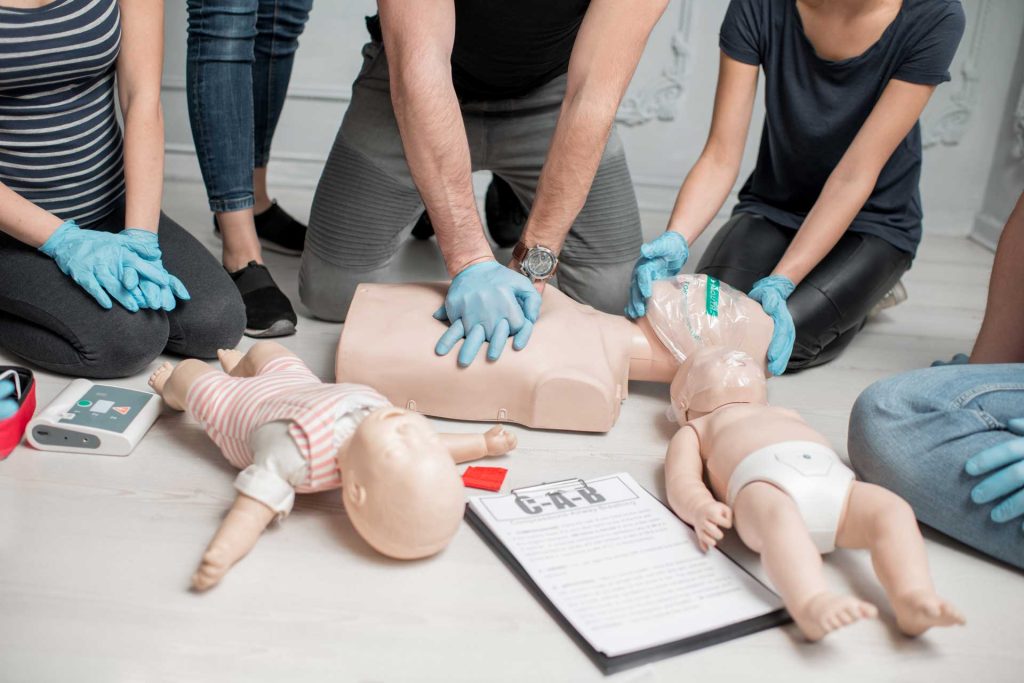
That is where fast first aid training for sporting activities groups and clubs comes to be less of a conformity box and more of a core performance tool. You are not just shielding players. You are safeguarding seasons, credibilities, and in uncommon but really actual cases, lives.
This guide gathers what actually works when you are attempting to fit a first aid course into a crowded training schedule, just how to choose between common and express first aid alternatives, and how to keep skills fresh without sinking volunteers in theory.
Why sports settings need a various type of first aid training
General first aid courses are made for workplaces and public spaces. Sporting activity includes layers of rate, emotion, and danger that numerous off‑the‑shelf courses hardly touch.
On the field, you have noise, adrenaline, and stress from all sides. Spectators shout recommendations. Teammates crowd around the injured player. Trainers have to balance player well-being with suit needs. Emergency situations do not unravel smoothly by a whiteboard.
I have seen very qualified adults, with certifications framed on their office wall, freeze on the sideline due to the fact that the context really felt various. The content of their first aid and CPR training was great, but they had never walked through circumstances like a collapsed goalkeeper in package or a believed neck injury on a rugby pitch.
Fast first aid training designed for sporting activities groups addresses that gap. You still discover the vital abilities - CPR, exactly how to make use of an AED, bleeding control, handling cracks and strains - however the examples, drills, and language fit the truth of training grounds, change areas, and away trips.
If you are evaluating fast first aid courses or express first aid training for your club, seek programs that explicitly reference sporting activity relevant occurrences, not just office contaminants and stepladder falls.
The kinds of emergency situations clubs really face
Before you choose a fast first aid course, it aids to be clear about what you are planning for. Throughout the years, throughout junior and senior teams, I see the exact same patterns.
The typical injuries are apparent: sprains, pressures, contusions, muscle mass splits, dislocated fingers, minor traumas. These are the bread and butter of club first aid. They require good judgment instead of heroics. Knowing when a player can be safely managed at the ground and when they need urgent imaging or healthcare facility evaluation is an extremely practical ability that fast first aid training can sharpen.
The less constant yet a lot more serious troubles are where training actually makes its keep. Heart attack in young athletes, while unusual, is ruining and time critical. Anaphylaxis from a surprise nut allergic reaction, warmth stroke on a hot training evening, asthma strikes in badly regulated gamers, back injuries after a tackle, and serious blood loss from crashes or tools accidents are all real opportunities throughout a complete season.
A solid first aid and CPR course for sporting activities ought to cover:
High high quality CPR and AED usage in loud, chaotic environments. Recognition and very first action for trauma and presumed spinal injuries. Management of severe blood loss and shock on the field. Early recognition of warm illness and hyponatremia. Asthma and anaphylaxis plans in a team setting.If a service provider can not talk with confidence regarding these circumstances, keep looking.
first aid training MelbourneFast versus traditional first aid courses
Coaches and volunteers typically come to me with the same objection: "We do not have time for a full day course." That is where fast first aid and express first aid courses fit nicely right into club life, but there are profession offs.

A standard first aid course might run over a complete day, or across 2 evenings, and covers a wide range of situations thoroughly. You obtain even more time for rep and questions, and the course usually consists of wider content like work environment risks, ecological injuries, and longer case discussions.
A fast first aid course compresses the basics into a shorter block, generally three to 4 hours, sometimes also much less for a express first aid course or fast CPR refresher course. The emphasis gets on life threatening situations and one of the most likely injuries for the group in front of the trainer. For sports clubs, that is an attribute instead of a bug.
However, compression has restrictions. Physical skills like upper body compressions and air passage administration benefit from rep and responses. If you are doing a fast cpr course in an extremely brief window, you still desire sufficient time for every individual to practice on a manikin, not just see a demonstration.
For many clubs, the very best strategy is a combined design: online pre‑learning adhered to by an on‑field functional session. Individuals total concept elements in your home, after that participate in an express cpr training or express first aid training session concentrated on reasonable circumstances, hands on method, and questions.
When you are searching for a fast first aid course near me, ask clearly concerning how they manage this trade off between rate and deepness. A fast certification is only beneficial if people leave with abilities they can really recall under pressure.
What "fast" must never cut out
Short courses in some cases lure carriers to miss the unpleasant, uncomfortable parts of first aid training. Those unpleasant parts are often the most important.
First, your fast first aid course must include appropriate CPR training. That suggests individuals exercise upper body compressions on adult and ideally youngster manikins, with mentoring on depth, rate, and hand placement. Enjoying a video clip is not enough. The very same applies to use an AED. Individuals ought to handle the tool, apply pads to a fitness instructor manikin, and pay attention to the prompts.
Second, respiratory tract monitoring and healing settings need method. Rolling a sweaty, semi conscious gamer into a steady side placement on irregular lawn is very various to a class presentation on carpet. Great fast first aid training for sports will certainly practice this outdoors, with staff member acting as casualties.
Third, choice making should have purposeful practice. One of one of the most valuable components of any kind of first aid and cpr course is the circumstance job. For groups, that need to consist of circumstances like a gamer who "just got a knock" however can not remember the score, or a jr professional athlete who feels dizzy in the warm but insists on staying on. Compressing the course too aggressively can eject these abundant discussions.
In my experience, an effective express first aid course for sports can be run in three to 4 focused hours if participants total pre‑reading, but anything much shorter beginnings to reduce uncomfortably right into ability practice.
Building a club‑wide first aid culture
A first aid certificate on a clipboard is not a safety and security culture. Groups that manage emergency situations well have actually done more than send one coach off to a course.
Good clubs embrace a split method. At the base, everyone who consistently leads sessions or trips with teams should finish at the very least fundamental first aid and CPR training classes. This team includes head coaches, assistants, team supervisors, and usually senior gamers. After that, at the very least a few people at each place must hold an up‑to‑date, a lot more extensive first aid course credential, consisting of sports certain content.
The real shift happens when clubs start treating first aid as part of regular routines, not a yearly nuisance. Trains advise gamers where the first aid set and AED are stored. Supervisors check that individual drugs like inhalers and EpiPens are in bags for away video games. Captains recognize just how to call for help efficiently and maintain colleagues back throughout an incident.
One junior football club I dealt with included a two min "emergency role" rundown to the pre‑season conference for every group. They covered that calls emergency situation solutions, who satisfies the rescue at eviction, that cares for other gamers, and who supports the harmed individual's household. That straightforward habit meant that when a 15 year old collapsed at training, there was no shouting match concerning what to do. Every person relocated right into their role quietly and the initial aider could focus completely on CPR and AED use.
Fast first aid and cpr Joondalup first aid training works best when it links into that type of broader club practice.
Making express courses function about hectic schedules
Sports organisations are built on overcommitted people. Educators that instructor after job, moms and dads that squeeze training in between jobs and household, gamers that research full-time and train in the evenings. Telling these people to go to a 8 hour first aid course on a Saturday seldom finishes well.
Fast first aid courses and express cpr courses exist exactly to tackle this issue, however the logistics still require thought.
Many clubs have success with an on‑site night session. You book an instructor to find to your club or interior space, run an express first aid course over three hours, and offer it to every instructor and manager. If the provider permits it, you can split into 2 overlapping groups to ensure that not all teams are left without staff at once.
Another reliable version is a cluster arrangement. Numerous neighboring clubs merge their people to fill up a first aid and cpr course, then host it at a main place. This keeps costs down and develops a shared criterion for emergency situation response across a regional league.
Online elements are valuable, but you require to set expectations. If your express child care first aid course includes an e‑learning module plus a useful session, make certain participants complete the theory ahead of time. Or else, you invest the first fifty percent of the useful block recapping web content they have not read, and the session sheds its "fast" character without gaining added learning.
Where spending plans allow, take into consideration covering up full size first aid courses every few years with short, concentrated refresher courses like a fast cpr refresher course. These can be run in 60 to 90 mins and keep CPR skills sharp without repeating every one of the broader web content every season.
Special considerations for junior and childcare contexts
Clubs that run junior programs, holiday clinics, or after‑school sessions occupy a space that overlaps sport and child care. The first aid demands change subtly but significantly.
Children compensate differently in health problem and injury, after that crash swiftly. Choking is a lot more typical. Allergies are extra widespread and usually extra serious. Communication with parents or guardians ends up being as crucial as the medical feedback itself.
In this area, common fast first aid training might not suffice. You need to look specifically at express child care first aid training alternatives or an express child care first aid course that includes child and infant CPR, paediatric choking management, and methods for asthma and anaphylaxis in children.
The ideal express childcare first aid courses I have seen for sporting activities clubs cover:
- Age details CPR distinctions, including compression deepness and ratio. Choking in young children and more youthful youngsters, with technique on kid manikins. Recognising when a youngster's problem is aggravating, even if they maintain stating they "really feel fine". Using action prepare for asthma and anaphylaxis, with technique using training EpiPens and spacers. Managing communication with moms and dads, consisting of when to call them, when to call an ambulance first, and what information to document.
That list is not regarding ticking regulative boxes. It is about recognising that a train with 20 8 years of age at a futsal camp has various dangers and obligations than a senior team coach.
If your club operates a mix old groups, draw up which personnel require conventional first aid courses and which actually ought to complete an express childcare first aid course as well. It may seem like replication, yet when you are holding a wheezing 6 years of age's inhaler and questioning whether to call a rescue, that additional training suddenly really feels very justified.
How many individuals ought to be trained in each team?
Clubs often request for a number, yet context matters. A small area basketball team that trains indoors next to a staffed recreation centre with an AED has various requirements than a rural rugby club having fun on a ground 30 minutes from the nearby hospital.
As a rule of thumb, aim for at the very least 2 individuals with current first aid and CPR training classes per team at every session or suit, not just per team on the whole. That offers cover express first aid Perth for illness, away video games, and the extremely actual situation where the key very first aider is the one that obtains injured.
In technique, this normally implies the head instructor, an assistant instructor or group supervisor, and ideally an elderly gamer or parent with a first aid certificate. Throughout the club, you then identify a smaller group who finish more detailed first aid courses and are available to support bigger occasions or finals days where numerous groups gather.
If you rely upon a single "medic" or sports fitness instructor for all teams, you create a single factor of failure. They can not be on every sideline and, if a major occurrence occurs, they can come to be overwhelmed promptly. Fast first aid training for a more comprehensive base of personnel spreads out that load.
Integrating first aid into pre‑season planning
Pre period already brings a great deal: conditioning strategies, game models, selection processes, board meetings. If you leave first aid and cpr training to the last minute, it winds up hurried or fifty percent done.
The most ordered clubs treat first aid as component of season intending the same way they deal with set ordering or area bookings. Set a target: by the initial competitive suit, each team should have at the very least 2 people with an existing first aid certificate and cpr training. Work in reverse from that date.
Good technique is to set up fast first aid training in 2 waves. The initial in the early pre‑season window, capturing returning instructors and supervisors, and the second closer to the period start for late appointments or those that missed out on the preliminary. If your service provider offers express cpr courses, you can additionally put short refreshers into the void in between those main blocks.
Do not neglect documents. Keep a central register of staff first aid and cpr certifications, including expiry days, and review it mid‑season. There is nothing even worse than discovering during a case that the only individual with a certificate last qualified 7 years ago in a various country.
What to look for in a training provider
Once you start looking, you will locate a flooding of first aid and cpr course suppliers. Quality and importance vary commonly, especially when it concerns sporting activities environments.
Start by examining accreditation. Your fast first aid course company ought to release a recognised first aid certificate that fulfills your country's standards or your sport's controling body requirements. Lots of leagues now specify minimum certifications such as a conventional fap first aid level or called devices; check those prior to booking.
Beyond official boxes, focus on the trainer's background. Somebody with straight experience in sporting activities medicine, paramedicine, or field‑side treatment will teach in different ways from a generic company fitness instructor. Ask just how usually they work with clubs, which sporting activities they typically support, and whether they adjust situations to match your context.
Practical details matter as well. Ask the amount of manikins they bring, ideally one per two learners for CPR method. Clarify whether their fast first aid courses consist of AED training on real devices or in theory. Inspect just how they manage large groups, and whether they agree to run sessions on your turf as opposed to in a classroom, so situations really feel even more authentic.
Finally, take into consideration the long-term partnership. The very best express first aid training service providers end up being partners. They assist you plan refreshers, upgrade content as standards transform, and sometimes visit your premises to examine emergency access and AED positioning. That connection develops self-confidence in both directions.
Keeping skills fresh in between courses
Even the most effective first aid course fades without practice. Studies suggest that CPR quality and recall of essential actions decline noticeably within 6 to year if people do not review the material. For sporting activities clubs, where first aid occurrences can be occasional or clustered, this matters.
You do not need constant official courses to preserve capability. Short, casual run‑throughs installed into your period are extremely effective.

One club I worked with built a 5 min CPR pierce right into their regular monthly instructors' meeting. Someone would roll out a manikin, one more instructor would play an onlooker, and they would certainly chat through and exercise the steps: risk check, response, air passage, breathing, compressions, AED use. Over a season, each trainer went through the cycle a number of times, much more than they would have in a basic course.
You can do comparable with other core skills: practice utilizing the group's real first aid package, rehearse an evacuation course from your farthest field to the parking lot, or stroll new volunteers with an instance emergency situation phone call. When a genuine incident happens, those dry runs pay off.
When spending plans enable, supplement your primary first aid training with a short fast cpr refresher course every one year for essential team. Even a 60 min express cpr course concentrated totally on compressions and AED use can restore skill high quality sharply.
The silent payback: confidence and calm
The most significant distinction I see in between teams with solid first aid and cpr training and those without is not technological perfection. It is calm.
In well prepared clubs, when a person goes down gripping their upper body or existing inactive after an accident, there is a short flurry of movement, then a silent pattern. One person checks feedback, one more calls emergency solutions, someone gets the AED, a person guides other players away. The voices are solid, not panicked. Parents see that their youngsters are in qualified hands.
Fast first aid training will certainly not quit injuries. Sport carries threat by definition. What it does is change the story that follows an occurrence. As opposed to "everybody was screaming and no one recognized what to do," you listen to "we followed what we had practiced, and assist shown up to discover CPR already in progress."
For sports teams and clubs, that change is worth far more than the hours you carve from the calendar. It is the difference in between wishing someone will step up, and knowing your individuals are ready.
Fast first aid, express cpr training, and well prepared first aid and cpr courses are not optional extras for contemporary clubs. They are part of how you appreciate your players, support your volunteers, and secure the neighborhood that gathers around your fields and courts, week after week, period after season.